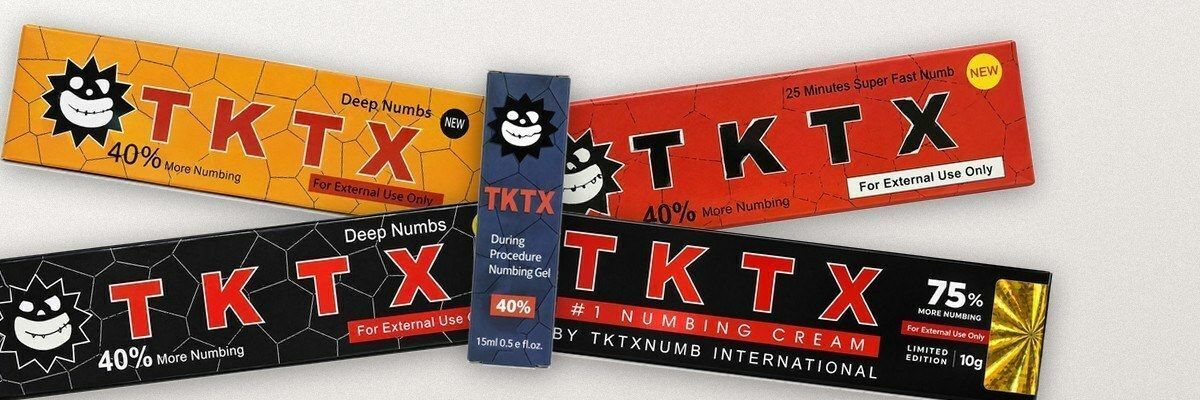
Short answer: the numbers in the TKTX name (38, 40, 75, 99.9) are the manufacturer's series marking, not a lidocaine percentage. A cream marked 75 doesn't contain 75% lidocaine, that concentration doesn't exist in a cosmetic product. The packaging colour (gold, black, blue, red) also marks the series, not the formula. Let's look at what's actually known about TKTX, how the colours differ, and how to choose one for your task.
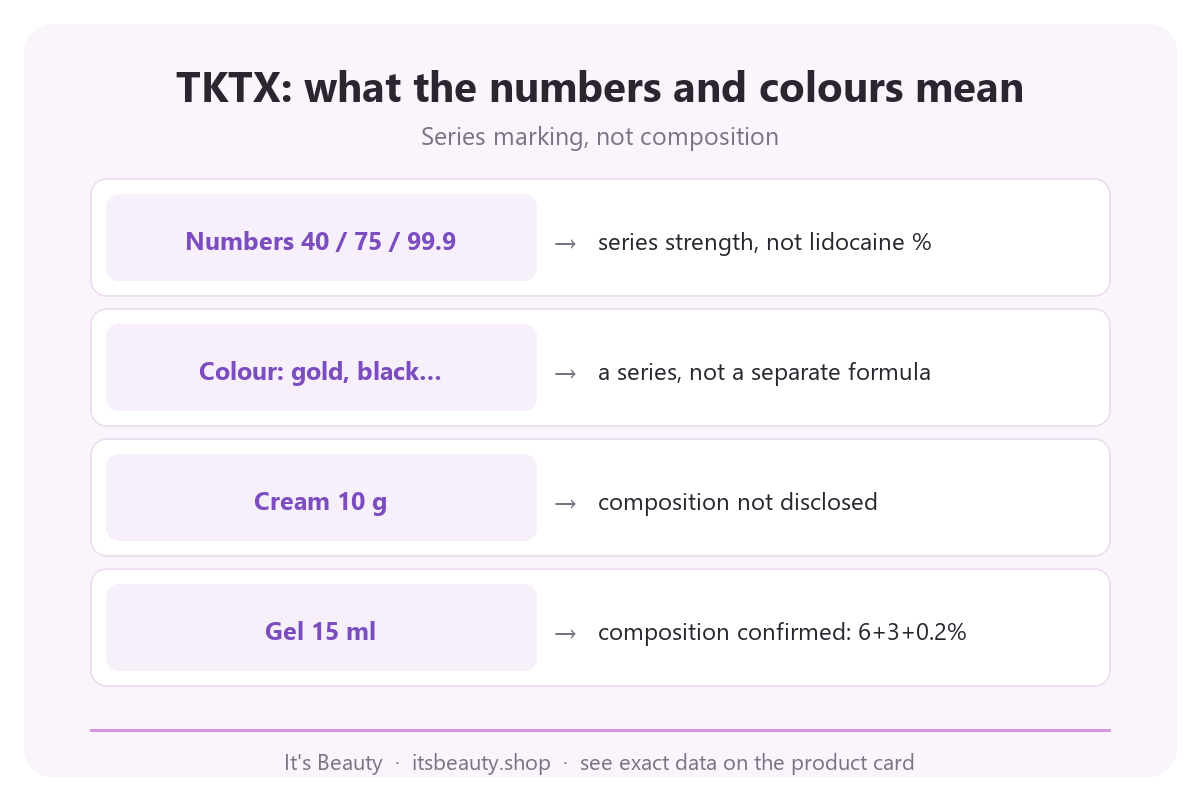
What the numbers TKTX 40, 75 and 99.9 mean
This is the most common question about the brand, and it's also where most of the confusion comes from. The numbers in the TKTX name are an internal series-strength marking: 75 is positioned by the manufacturer as a stronger line than 40. But these numbers are not the percentage of active ingredient.
Here's why that can be said with confidence: lidocaine at a concentration of 40% or 75% isn't used in products for external application. Professional cosmetics in this category work with combined formulas, where several active ingredients add up to single-digit percentages, not tens of percent. We covered how to read percentages in anesthetic names in general in a separate article: what 10%, 12.5% and 40% mean in anesthetics.
How TKTX colours differ: gold, black, blue, red
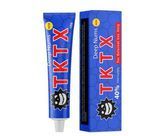
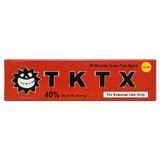
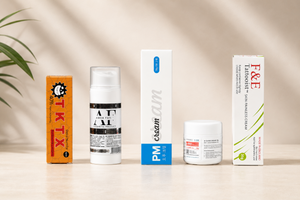
The packaging colour on TKTX marks the series, not a separate formula. The manufacturer doesn't publish separate formulas for each colour, so it's more accurate to talk about lines rather than a "gold formula" or a "black formula." The variants usually in stock:
| Variant | Series marking | Form |
|---|---|---|
| TKTX Gold | 38 and 40 | cream, 10 g |
| TKTX Black | 40 and 75 | cream, 10 g |
| TKTX Blue | 40 and 75 | cream, 10 g |
| TKTX Red | 40 | cream, 10 g |
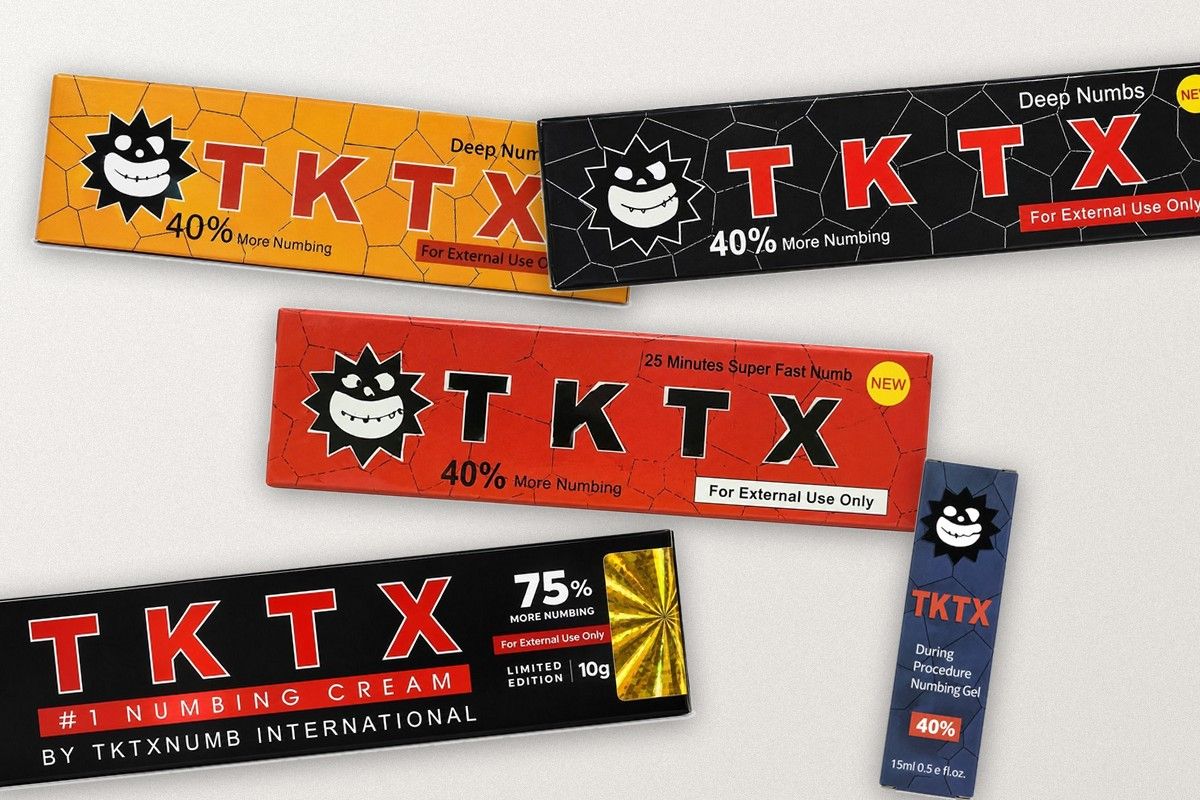
The most searched-for variant is TKTX Gold, but in practice professionals choose between the 40 and 75 series, not between colours. Always check exact stock and packaging on the product page.
Cream, gel or TKTX spray: what's the difference
The brand comes in three forms, and this is the difference that actually affects your work.
- Cream (10 g). Primary product: applied to clean, dry skin before the procedure, in a thick layer under film.
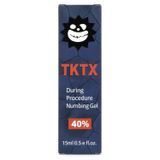
- Gel (15 ml). The only item in the line with a composition confirmed by documentation: lidocaine 6% + tetracaine 3% + epinephrine 0.2%, totaling 9.2%. The epinephrine in the formula constricts blood vessels, which is why the gel is more often used during the procedure.
- Spray (30 ml). Convenient for quick application to an area. The manufacturer hasn't disclosed the composition, and percentages found online for it aren't confirmed.
How to apply TKTX and how long it lasts
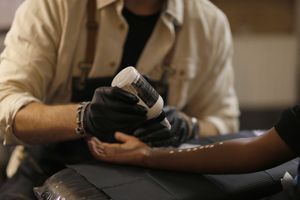
Per the manufacturer's instructions, TKTX cream is held under film for 25 minutes to an hour, depending on skin sensitivity, and the film itself is recommended to stay on for 50 or 60 minutes. The stated duration of effect for the 40 series is 1.5 to 3 hours, depending on skin type. The thickness of the top layer is specified exactly: 3–6 mm, and it isn't rubbed in.
The application order is nearly the same across most primary creams, and mistakes in it are the main reason a product "doesn't work." For a detailed step-by-step breakdown: how to apply anesthetic, film and hold time.
What's known about composition and safety
Let's be honest here: there is no single published composition for TKTX creams. Different sellers list different formulas, and registration data differs from country to country. Only the gel's composition is confirmed by documentation.
What this means in practice: TKTX is a professional cosmetic for external use, not a medicinal drug. Before first use on a client, do a sensitivity test, don't exceed the time and dose specified in the instructions for that specific package, and use the product for its intended purpose. If composition transparency matters to you, choose lines where the manufacturer publishes the formula, those exist in the catalog, and we covered them in our breakdown of primary and secondary products.
Which TKTX to choose for your task
- Tattoos and long sessions. Cream under film in advance, series based on your experience working with the client's sensitivity.
- Work during the procedure. Gel with epinephrine, its composition is confirmed.
- Quick application to an area. Spray.
- Choosing for a specific procedure (permanent makeup, lips, mesotherapy, hair removal) is covered separately: which anesthetic for which procedure.
If you're choosing a product for the first time, start with the general guide: how to choose an anesthetic for tattoos, permanent makeup and brows.
TKTX and other anesthetics in stock
The It's Beauty catalog has primary and secondary products, gels and hemostatics. Each one lists composition, method of application and time, whenever the manufacturer discloses them.
Go to the anesthetics catalogFrequently asked questions
How much lidocaine is in TKTX 75?
What's the difference between TKTX gold and black?
How long should TKTX stay under film?
How long does TKTX last?
Which TKTX has a known composition?
Is TKTX a medicine?
- Hold time, layer thickness and duration are given per the manufacturer's instructions for the TKTX 40 series. Values may differ for other items, check exact data on the product page.
- The composition of TKTX gel is given per the supplier's documentation. For the creams and spray, the manufacturer doesn't publish a single composition, so percentages for them aren't given in this article.
- This material is for informational purposes and does not replace a specialist consultation. All products are for professional external use.