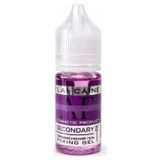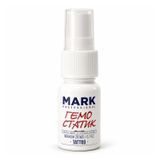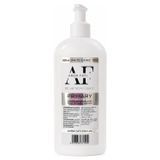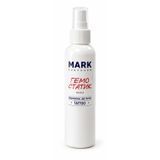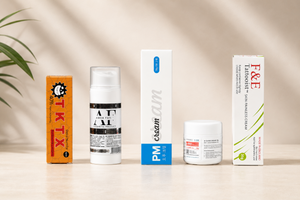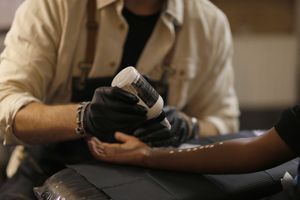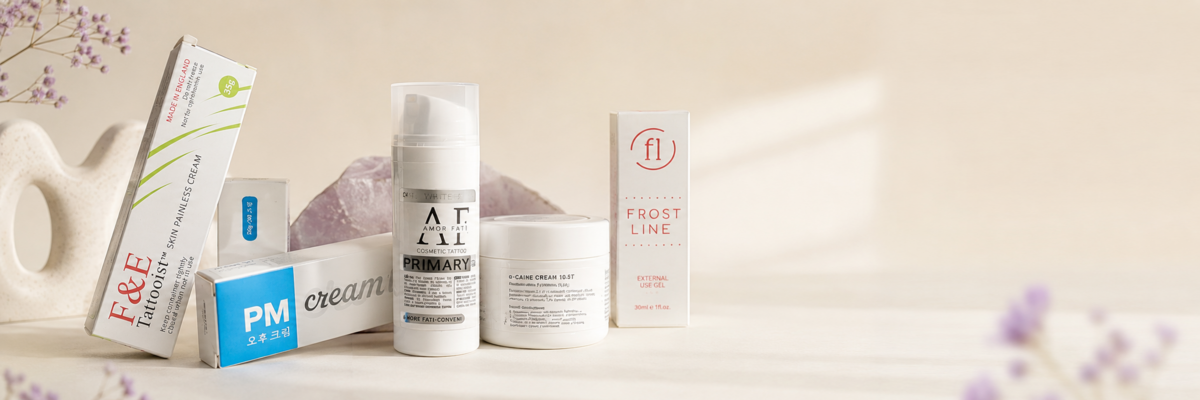
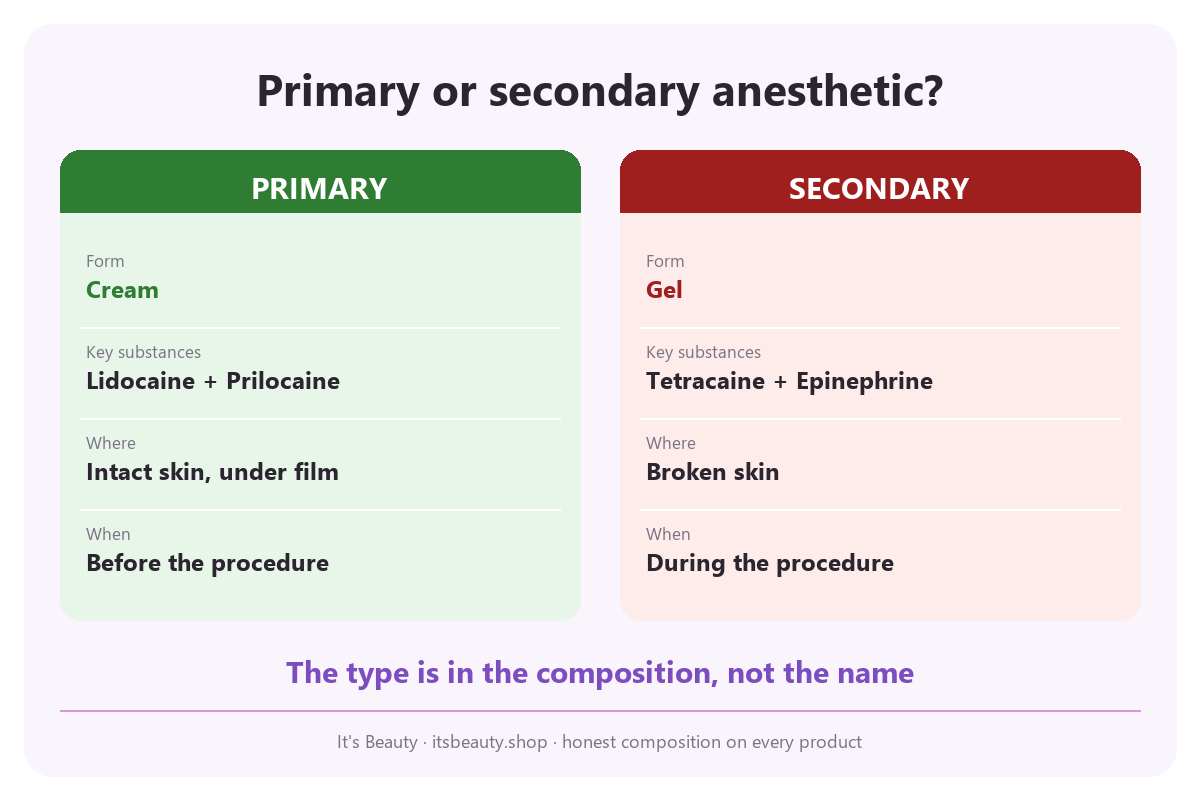
Short answer: the difference between a primary and a secondary anesthetic is not about strength, but about when and on what skin it works. A primary anesthetic goes on intact skin under film before the procedure. A secondary one works during the procedure, on broken skin. And most importantly, the type is almost always visible in the composition, not the name.
What primary and secondary mean
Both reduce pain, but they approach it from different sides.
- Primary. A cream based on lidocaine and prilocaine. Applied in a thick layer to intact, undamaged skin and covered with film for 20 to 60 minutes before the procedure. It acts more slowly because the substance has to pass through the skin, which is why the film (occlusion) is needed.
- Secondary. A gel or liquid, often with tetracaine and a little epinephrine. It works on already broken, traumatized skin during the procedure. It is faster, and epinephrine constricts the vessels, so there is less blood and swelling.
How to tell them apart by composition
The name is often misleading, but the composition is honest. Here are simple guidelines:
- Tetracaine and/or noticeable epinephrine, in a gel form, is almost always secondary.
- Lidocaine with prilocaine in a cream form, applied under film before the procedure, is primary.
- If the directions say to apply on broken skin, it is secondary.
- The form is a hint but not the verdict: a cream is usually primary, a gel more often secondary. The composition always has the final word.
When to use which
| Primary | Secondary | |
|---|---|---|
| Form | cream | gel or liquid |
| Where to apply | intact, undamaged skin | broken, traumatized skin |
| When | before the procedure, under film | during the procedure |
| Key substances | lidocaine + prilocaine | tetracaine + epinephrine |
| What it gives | prepares the skin, deep numbing | fast numbing, less blood and swelling |
A hemostatic is not numbing
Hemostatics stand apart. They contain no anesthetic and do not reduce pain. Their job is to stop blood and lymph, tighten pores and calm redness. They are applied during or after the work. Do not confuse them with anesthetics, they are different products for different tasks.
Full reference: compositions and types
Here are all products in stock with the official composition from manufacturer documents. See how the type reads straight from the composition, not from the name:
| Product | Composition (INCI, official) | Type | When |
|---|---|---|---|
| Depain Ice Gel-анестетик, 20 / 30 / 50 мл | Астадерм-комплекс + Epinephrine (гель) | Secondary | During, broken skin |
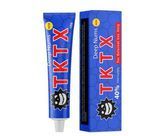
| TKTX Cream 40% gold, 10 г | Анестодерм (виробник не деталізує %) | Primary | Before, intact skin, under film |
| TKTX Cream 40 black, 10 г | Анестодерм (виробник не деталізує %) | Primary | Before, intact skin, under film |
| TKTX Cream 40 red, 10 г | Анестодерм (виробник не деталізує %) | Primary | Before, intact skin, under film |
| TKTX Cream 75 black, 10 г | Анестодерм (виробник не деталізує %) | Primary | Before, intact skin, under film |
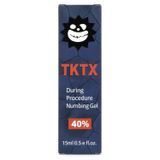
| TKTX Gel 40%, 15 мл | Lidocaine 6% + Tetracaine 3% + Epinephrine 0.2% | Secondary | During, broken skin |
| A-CAINE Cream 10,95%, 50 / 500 г | Lidocaine 5.95% + Prilocaine 5% + Epinephrine 0.15% | Primary | Before, intact skin, under film |
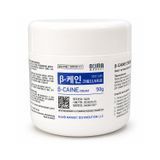
| B-CAINE Cream 11,5%, 50 / 500 г | Lidocaine 6.5% + Prilocaine 5% + Epinephrine 0.15% | Primary | Before, intact skin, under film |
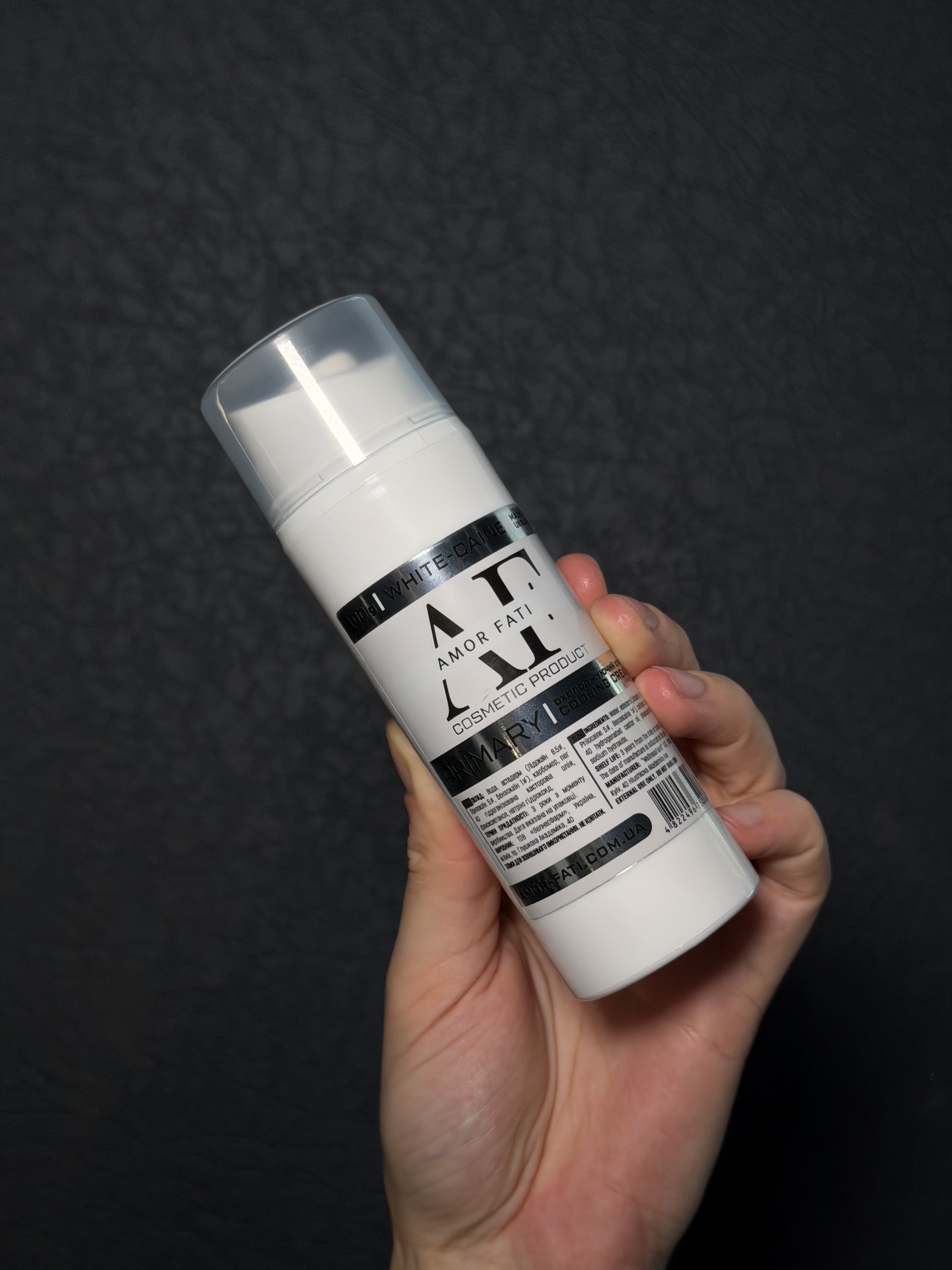
| Amor Fati White Caine 12,5%, 50 / 100 / 500 г | Lidocaine 6.5% + Prilocaine 5% + Benzocaine 1% | Primary | Before, intact skin, under film |
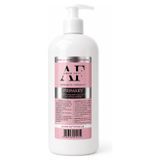
| Amor Fati Pink Caine, 50 / 100 г | Lidocaine 4% + Prilocaine 1% | Primary | Before, intact skin, under film |
| Amor Fati Pink Caine, 500 г | Lidocaine 4% + Prilocaine 2.5% + Benzocaine 1% | Primary | Before, intact skin, under film |
| Amor Fati Blue Caine Gel, 15 / 30 мл | Lidocaine 4% + Tetracaine 2% + Epinephrine 0.02% | Secondary | During, broken skin |
| Amor Fati Lila Caine Gel, 15 / 30 мл | Тридерм-комплекс 8% + Epinephrine 0.02% | Secondary | During, broken skin |
| Depain Cream-анестетик, 35 / 100 / 500 г | Крем, лідокаїн (склад за етикеткою) | Primary | Before, intact skin, under film |
| Eye Anesthetic Cream, 10 г | Lidocaine 5% + Prilocaine 5% + Benzocaine 3% | Primary | Before, intact skin, under film |
| Feel Better Now Анестетик, 30 г | Lidocaine 5% + Tetracaine 2% + Racepinephrine 0.02% | Secondary | During, broken skin |
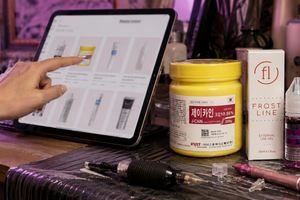
| Frost Line Cream-гель (lidocaine-free), 30 / 300 мл | Anestomin (без лідокаїну) | Special | see note |
| Mark Ecopharm Tattoo Ice Gel, 2 / 10 мл | Lidocaine + caffeine + decongestant (гель) | Secondary | During, broken skin |
| Mark Ecopharm Hemostatic, 10 / 100 мл | Aqua, Potassium Alum (без анестетика) | Hemostatic | Stops bleeding/lymph |
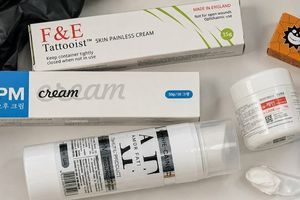
| PM Cream Cream-анестетик, 50 г | Крем, лідокаїн + прилокаїн (% за етикеткою) | Primary | Before, intact skin, under film |
| PRO-CAINE Cream 12,5%, 50 / 500 г | 12.5% активних (виробник не деталізує розкладку) | Primary | Before, intact skin, under film |
| Sustaine Blue Gel, 34 мл | Lidocaine 4% + Tetracaine 2% + Epinephrine 0.02% | Secondary | During, broken skin |
| Dr. Numb Cream 10%, 30 г | 10% активних (лідокаїн; за етикеткою) | Primary | Before, intact skin, under film |
| F&E Tattooist 10%, 35 мл | Lidocaine 6% + Prilocaine 4% | Primary | Before, intact skin, under film |
| F&E Tattooist Red 7%, 35 мл (enhanced) | 7.1% активних (лідокаїн, за етикеткою) | Primary | Before, intact skin, under film |
| IBC Cream, 50 г | ≈0.25% активної (1 г = 2,5 мг) — дуже низька | Primary | Before, intact skin, under film |
| Amor Fati Primary White Caine 12,5%, 500 г | Lidocaine 6.5% + Prilocaine 5% + Benzocaine 1% | Primary | Before, intact skin, under film |
| J-CAINE Cream, 500 г | Lidocaine ~10.56% (моно) | Primary | Before, intact skin, under film |
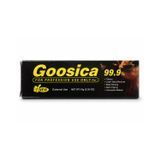
| Goosica Cream-анестетик, 10 г | Крем (склад за етикеткою) | Primary | Before, intact skin, under film |
| TKTX Numbing spray, 30 мл | Спрей (виробник не деталізує) | Special | see note |
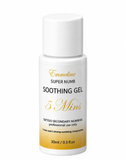
| Emmeline Super Numb Gel, 30 мл (secondary) | Lidocaine 4% + Epinephrine 0.04% | Secondary | During, broken skin |
How to choose before buying
- First decide on the stage: are you preparing the skin before the procedure (primary) or numbing already during the work (secondary).
- Read the composition, not the name. Tetracaine and epinephrine are a signal of a secondary product.
- For work on intact skin take a cream under film, for broken skin a gel.
- Choose a supplier that shows the composition and the documents.
If you have not yet decided on strength and percentages, read our explainers: what the percentages in anesthetics mean and the full guide to choosing an anesthetic.
Look at the stage and the composition, not the number
In the It's Beauty catalog every product comes with its type, composition and documents. Primary, secondary, hemostatics, over 40 items in stock.
Go to the anesthetics catalogFrequently asked questions
How is a primary anesthetic different from a secondary one?
How do I tell primary from secondary if it is not stated?
Why is there epinephrine in an anesthetic?
Can a secondary anesthetic be used before the procedure?
Is a hemostatic an anesthetic?
Which anesthetic to choose for tattoo and permanent makeup?
- Compositions are given from labels, INCI and data from manufacturers and distributors. Where the manufacturer does not detail the percentage breakdown, this is noted separately.
- This material is informational and does not replace a specialist consultation. All products are for professional external use.