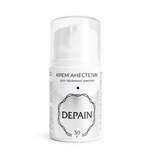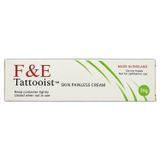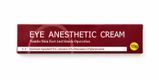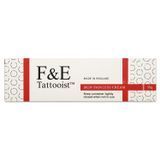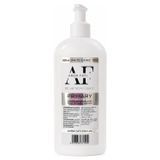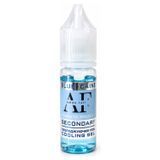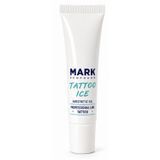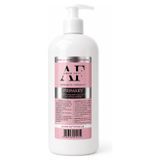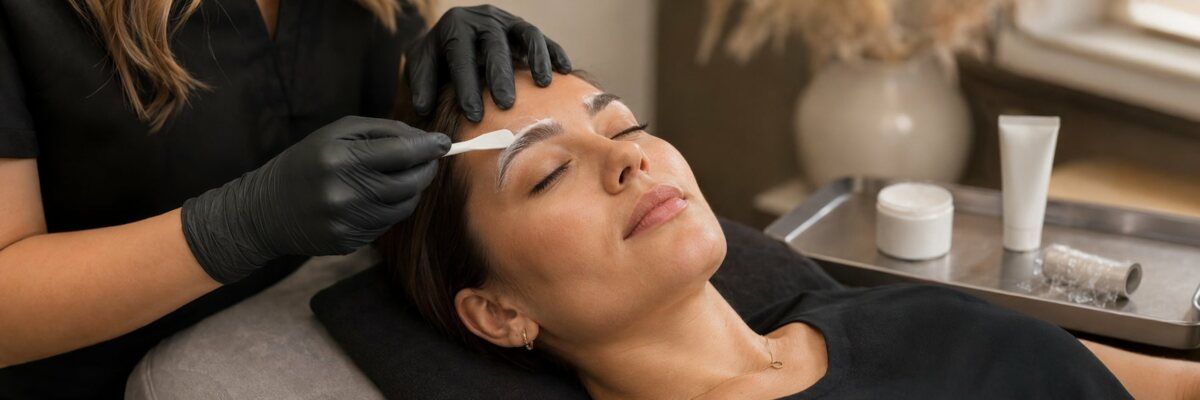
Short answer: permanent makeup needs two types of numbing. Primary is a cream with lidocaine and prilocaine, applied to intact skin under film before the procedure. Secondary is a gel, often with tetracaine and epinephrine, used on already open skin during the session. Brows work with the standard routine, lips need epinephrine because of how much the zone bleeds, and eyelids and the lash line need a separate, gentle cream. Here is how to choose numbing by zone, plus the mistakes that ruin results.
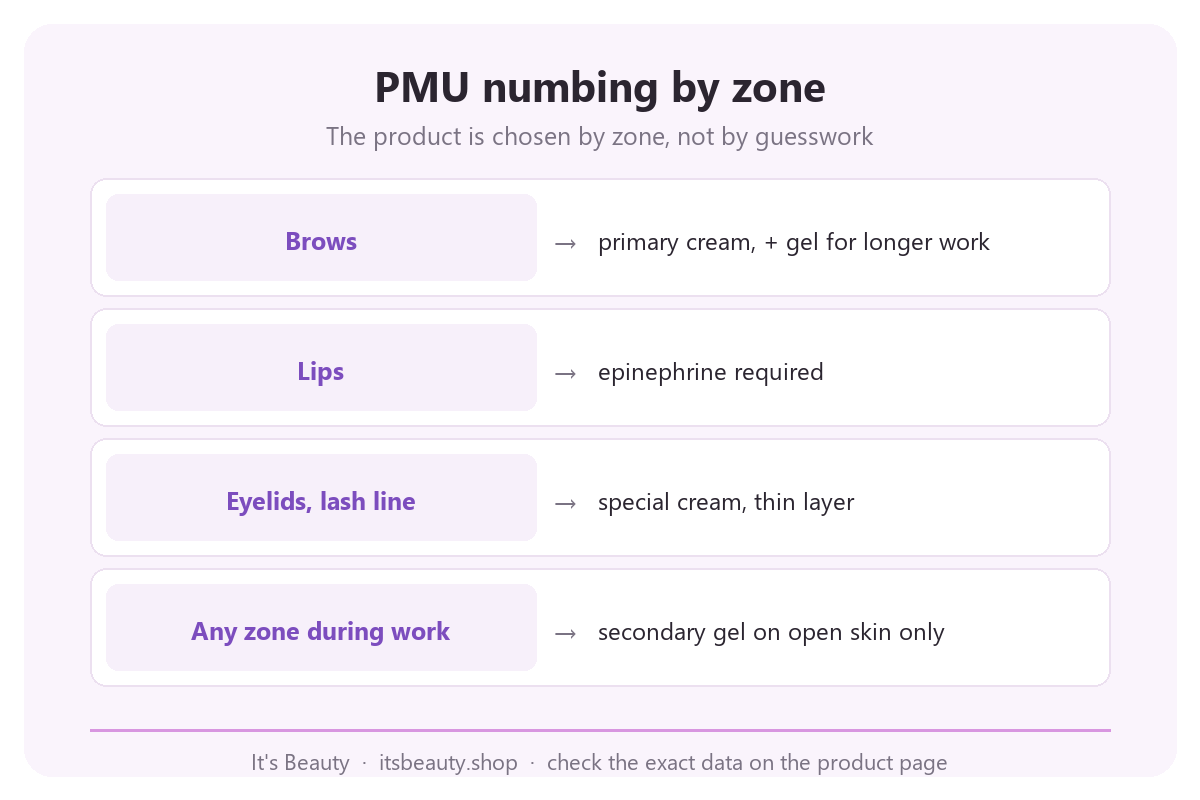
What numbing is needed for permanent makeup
PMU on brows, lips and eyelids uses two numbing stages, and they solve different tasks. Primary numbing prepares the skin before work starts, secondary numbing keeps the area comfortable while the artist is already working.
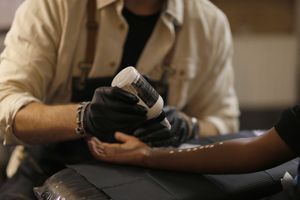
- Primary (before the procedure). A cream with lidocaine and prilocaine. Applied in a thick layer to intact, unbroken skin and covered with film, the hold time varies by product and is set by that product's instructions.
- Secondary (during the procedure). A gel, often with tetracaine and epinephrine. Applied to already open, micro-traumatized skin right during the session, it works faster than a primary cream.
In practice, PMU artists often use both stages one after another: primary cream prepares the zone in advance, secondary gel keeps numbing going during work. What to pick and in which formula depends on the zone, so brows, lips and eyelids are covered separately below. For the general terms, and how to tell a primary product from a secondary one by formula rather than by name, see the separate guide: primary vs secondary numbing cream.
Primary and secondary numbing for PMU: the practical difference
The difference between the stages is not strength, it is when and on which skin the product goes on. Here is how that plays out in permanent makeup work:
| Primary | Secondary | |
|---|---|---|
| Form | cream | gel |
| Where to apply | intact, unbroken skin | open skin during work |
| When | before the procedure, under film | during the session |
| Key ingredients | lidocaine + prilocaine | tetracaine, often with epinephrine |
| Role in PMU | preps the zone, lowers sensitivity before work starts | keeps numbing going, reduces bleeding |
The product name alone does not tell you if it is primary or secondary, that comes from the formula and directions on the product page. The full application order, hold time under film, and the common mistakes that make numbing "not work" are covered separately: how to apply numbing cream.
Numbing for brows
Brow PMU works with the standard routine, no special formula requirements: skin here is denser and less sensitive than on lips or eyelids. Primary cream goes under film before the procedure, and for longer or more sensitive sessions a secondary gel is added.
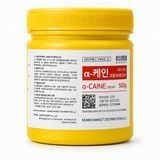
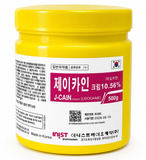
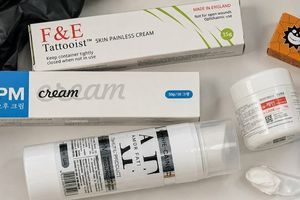
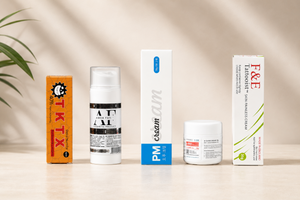
- Before the procedure: A-CAINE, F&E Tattooist 10%.
- During (if needed): Amor Fati Blue Caine, Tattoo Ice gel.
For a full formula breakdown and product picks for other procedures, including tattoo and hair removal, see: which numbing cream for which procedure.
Numbing for lips
Lip PMU needs a product with epinephrine in the formula. Lips are a mucous, heavily vascularized zone, and without a vasoconstrictor the area bleeds a lot, pigment settles unevenly and holds less well.
- Before the procedure (both with epinephrine): A-CAINE 10.95% (lidocaine 5.95% + prilocaine 5% + epinephrine 0.15%), B-CAINE 11.5% (lidocaine 6.5% + prilocaine 5% + epinephrine 0.15%).
- During the procedure: Amor Fati Blue Caine (lidocaine 4% + tetracaine 2% + epinephrine 0.02%), Sustaine Blue Gel, Emmeline Super Numb.
Numbing for eyelids and the lash line
Eyelids and the lash line only take a special eye-area cream, regular body creams are not made for this zone. Eyelid skin is the thinnest on the face, with the eye's mucous membrane right next to it, so the product goes on in a thin layer with strict avoidance of eye contact.
Per the directions for Eye Anesthetic Cream, the order is: clean the eyelid with a mucous-safe antiseptic, place a small piece of cotton pad under the eyelid, then apply the cream while avoiding any contact with the eye itself. The full application technique by zone, with common mistakes, is covered here: how to apply numbing cream.
Common mistakes and safety
- Skipping the sensitivity test. Do a patch test on the client before first use, especially before lip and eyelid work.
- Applying primary cream to broken skin. Primary products are made for intact skin, on open or traumatized skin a secondary gel is used instead.
- Over- or under-timing the film. Each product needs the hold time set in its own directions, going either way changes the result.
- Using the wrong product for the zone. A body cream on eyelids, or an anesthetic without epinephrine on lips, are common causes of weak numbing or extra bleeding.
- Missing contraindications. Some product lines list pregnancy and breastfeeding as contraindications, confirm this before the procedure.
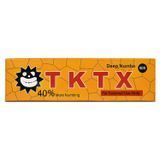
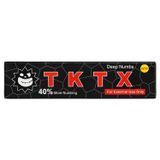
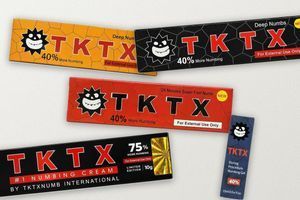
Every product in the line is professional cosmetics for external use, not a medicinal drug, and is meant for a trained artist to apply, not for self-use. The full range is in the numbing products category, and what the numbers in series names like TKTX 40, 75 and 99.9 mean is covered in a separate article on TKTX.
Pigments and cartridges for the same procedure
Besides numbing for PMU, the It's Beauty catalog carries pigments and cartridges for brows, lips and eyelids. Build a set for your specific zone.
Biotek pigments Mast Pro cartridgesFrequently asked questions
Is there a numbing product without lidocaine?
How long should numbing cream stay under film?
Can a secondary numbing product go on intact skin?
How is lip numbing different from brow numbing?
- Product formulas are given per manufacturer and distributor data used across the It's Beauty catalog. Always check the exact formula and directions for a specific product on its page.
- This material is informational and does not replace a specialist's advice. All products are for professional external use.