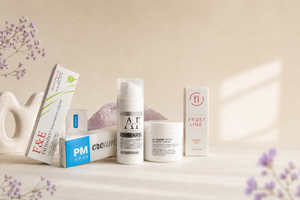
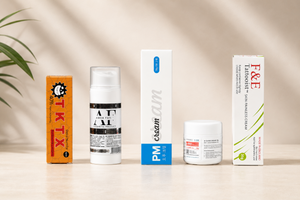
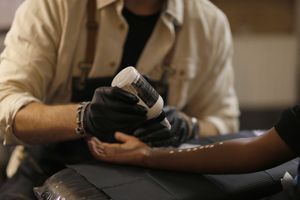
Short answer: you choose an anesthetic by the procedure, not by its "strength." Three things decide it: which skin you are working on (intact or already open), how sensitive and well-supplied with blood the area is, and how long the session lasts. Below we break it down procedure by procedure and show which products in stock fit each one.
What the choice depends on
Before you look at brands and percentages, answer three questions. They are what determine the product.
- Stage of work. Preparing intact skin before the procedure means a primary cream under film. Numbing already open skin during the work means a secondary gel. We cover this in detail in a separate article.
- Area. Lips, eyelids and the bikini zone are well supplied with blood and very sensitive. Here epinephrine matters: it constricts the vessels, so there is less bleeding and swelling.
- Surface area and time. A large area (back, legs, hair removal) means higher usage, so masters take a cream in a large size. A long session means a product that holds its effect longer.

Tattoo: cream plus gel
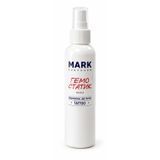
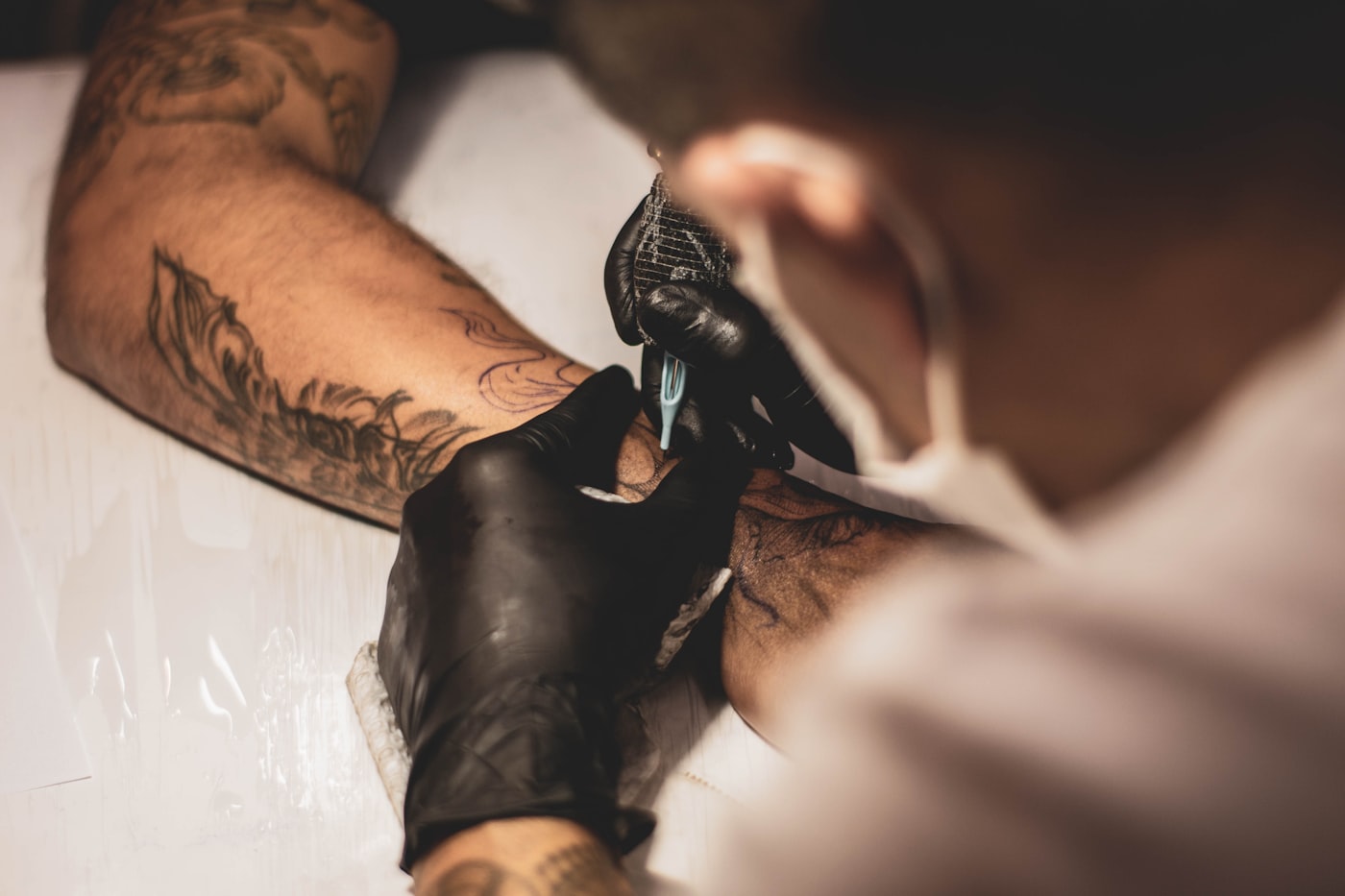
A tattoo is a long session on open skin. It is usually done in two stages. First, a thick layer of primary cream under film 20 to 60 minutes beforehand to prepare the skin. Then, once the skin is open, a secondary gel right during the work. Many masters also keep a hemostatic on hand to stop blood and lymph.
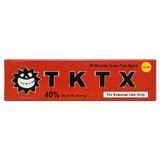
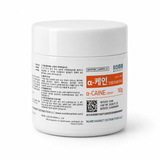
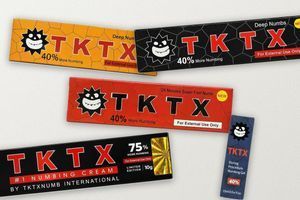
- Before the session (primary cream): Amor Fati White Caine 12.5%, A-CAINE 10.95%, TKTX 40.
- During (secondary gel): Sustaine Blue Gel, Amor Fati Blue Caine, Feel Better Now.
- To stop bleeding: Mark Ecopharm hemostatic.
Permanent brows: gentle and precise
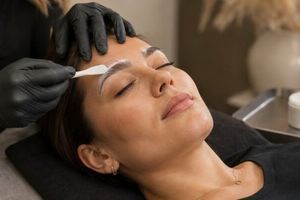
Brows are delicate work on a small area. The scheme is the same as for a tattoo, but the zone is calmer than lips. A primary cream under film before the procedure, and a secondary gel during it if needed. Products with lidocaine and prilocaine work well here.
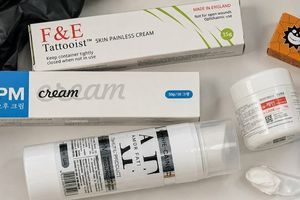
- Before the procedure: A-CAINE, F&E Tattooist 10%, TKTX 40.
- During: Amor Fati Blue Caine, Tattoo Ice gel.
Lips: only with epinephrine
Lips are the most sensitive and best blood-supplied area in permanent makeup. That is exactly why epinephrine in the formula matters here: it constricts the vessels, which means less bleeding and less swelling, and the pigment sits more evenly. Choose products that contain lidocaine with epinephrine, and a secondary gel with epinephrine as well.
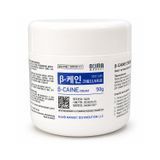
- Before the procedure: A-CAINE 10.95%, B-CAINE 11.5% (both with epinephrine).
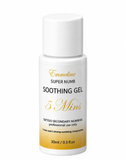
- During: Amor Fati Blue Caine, Sustaine Blue Gel, Emmeline Super Numb.
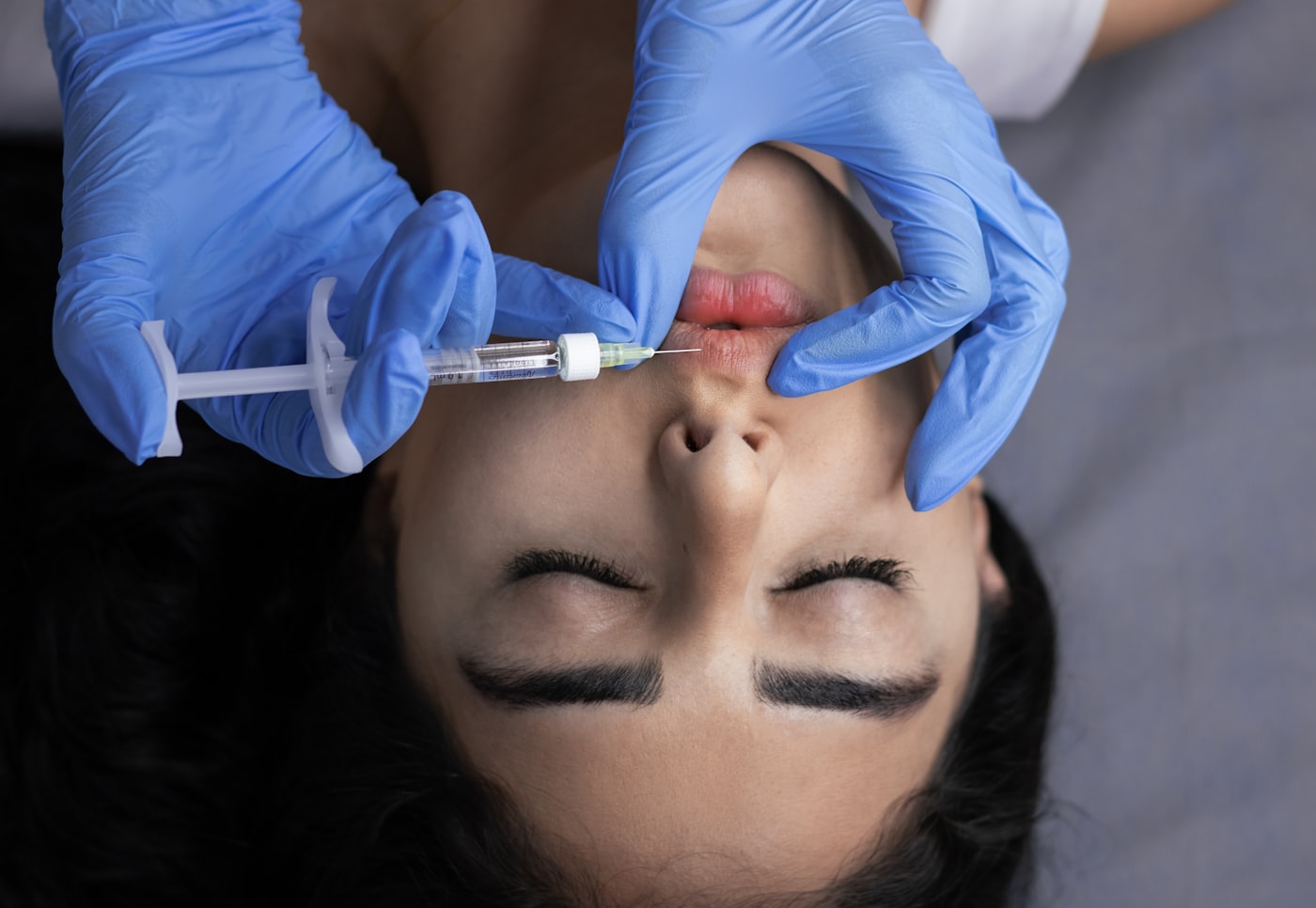
Mesotherapy and injections: cream under film
Here the skin is intact and the puncture is pinpoint. The goal is simply to reduce sensitivity in advance. A primary cream is enough: apply a thick layer and cover it with film 30 to 60 minutes before the procedure. A gel with epinephrine is not needed here.
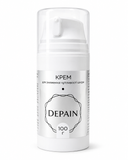
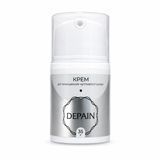
- Suitable: Depain cream, Amor Fati Pink Caine, Dr. Numb 10%, J-CAINE.
Waxing and hair removal: large area
Hair removal means a large area and intact skin, so what matters most is usage and a convenient size. A primary cream under film 30 to 60 minutes before the procedure. For the body, take large jars, it works out more economical.
- Suitable: Depain cream 500 g, B-CAINE 500 g, Amor Fati Pink Caine, A-CAINE.
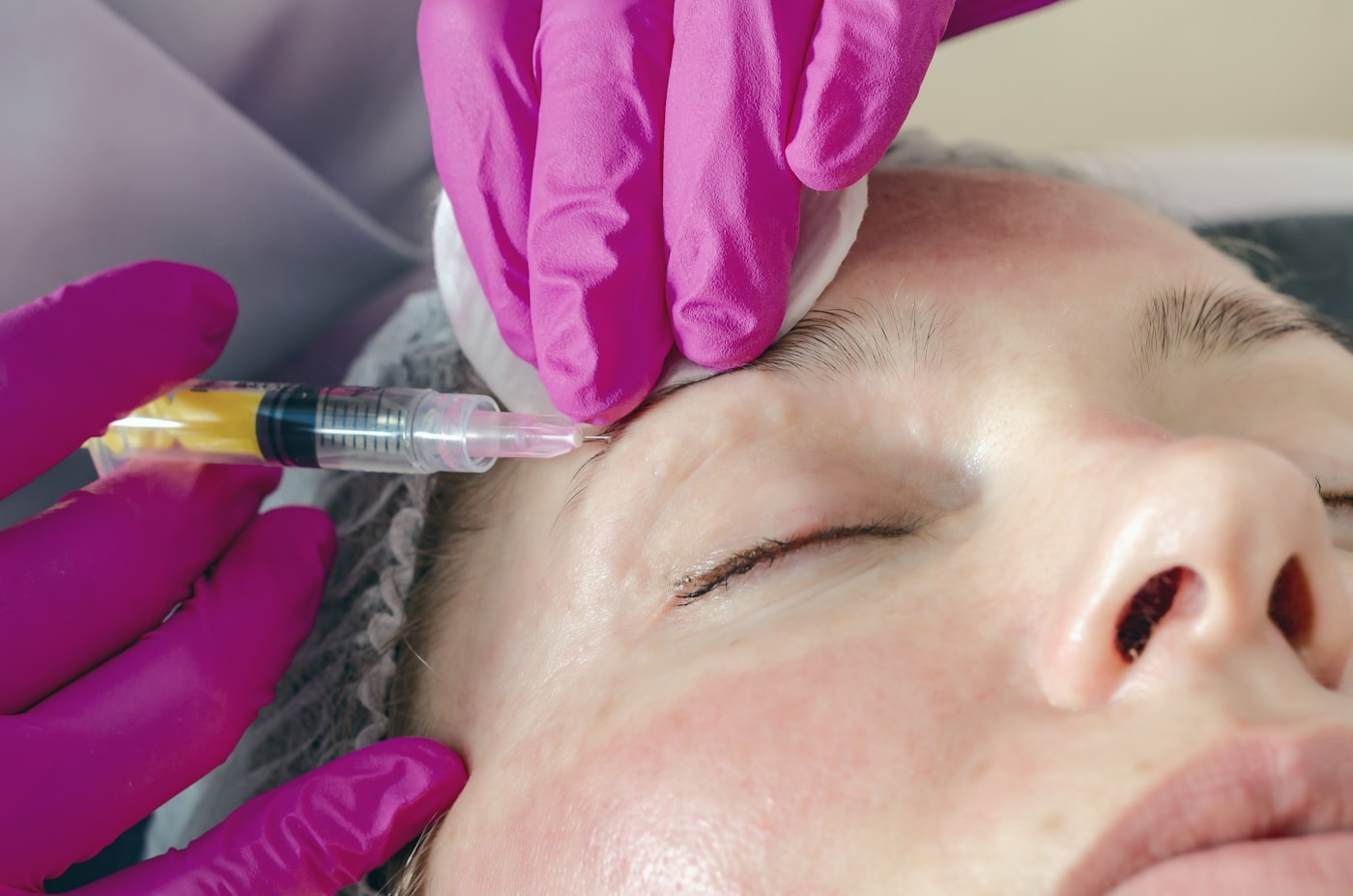
Eyelids and the eye area: a separate cream
The eye area has mucous membrane nearby, so ordinary creams are not suitable here. For procedures on the eyelids there is a special cream designed specifically for this zone.
- Suitable: Eye Anesthetic Cream (for the eyelid area).
Laser tattoo removal and microneedling: a dense cream
Laser and microneedling are intensive procedures on intact skin. Here masters use a primary cream and apply it under film in advance. Dense creams with a high content of active ingredient are suitable.
Table: procedure and product
| Procedure | Stage and form | What matters in the formula | Examples in stock |
|---|---|---|---|
| Tattoo | cream before + gel during | lidocaine + prilocaine; gel with epinephrine | White Caine, A-CAINE; Sustaine, Blue Caine |
| Permanent brows | cream before + gel during | lidocaine + prilocaine | A-CAINE, F&E 10%; Blue Caine |
| Lips | cream before + gel during | epinephrine essential | A-CAINE, B-CAINE; Sustaine, Emmeline |
| Mesotherapy, injections | cream under film before | lidocaine + prilocaine | Depain, Pink Caine, Dr. Numb |
| Hair removal | cream under film before, large size | lidocaine + prilocaine | Depain 500 g, B-CAINE 500 g |
| Eyelids, eye area | special cream | formula for the eyelid area | Eye Anesthetic Cream |
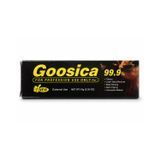
| Laser, microneedling | dense cream under film before | high content of active ingredient | Goosica, TKTX 75, J-CAINE |
Three mistakes worth avoiding
- Starting with a gel on intact skin. A secondary gel is designed for skin that is already open. Without occlusion, on intact skin the active ingredient barely penetrates, so preparation starts with a primary cream under film, and the gel comes in only during the work.
- Skimping on the formula for lips. Lips are well supplied with blood, and without a vasoconstrictor component the area bleeds actively and the pigment fixes less well. For this area, choose products whose formula contains epinephrine.
- Using a universal cream on the eyelids. Eyelid skin is thin, with mucous membrane nearby, so ordinary creams are not suitable for this area. Here you use only a product intended for the area around the eyes.
Find the product for your procedure
In the It's Beauty catalog, every anesthetic comes with its formula, type and documents. Creams and gels for tattoo, permanent makeup, mesotherapy and hair removal, more than 40 items in stock.
Go to the anesthetics catalogFrequently asked questions
Which anesthetic to choose for a tattoo?
Which anesthetic is best for permanent lip makeup?
How to numb before mesotherapy?
Which anesthetic for hair removal?
Can you numb the eyelids with an ordinary cream?
How do I tell which anesthetic fits my procedure?
If you want to go deeper into strength and formula, read our breakdowns: the full guide to choosing an anesthetic, what the percentages mean and primary or secondary.
- Recommendations by procedure are given based on the intended use from the descriptions, labels and data of manufacturers and distributors. Check the exact formula and method of application on the product page.
- This material is for informational purposes and does not replace a specialist consultation. All products are for professional external use.