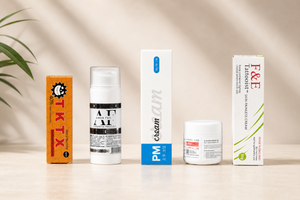
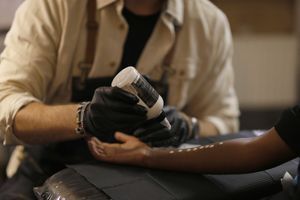
Pigment for permanent makeup is chosen by three parameters at once: formula type, application zone, and the client's skin undertone. The formula can be organic, mineral (inorganic), or hybrid, and each has its own character of longevity and fading. For brows, lips, and eyelids, most brands offer separate lines rather than one universal pigment for every zone. Undertone determines whether the color settles evenly into the skin as it heals: a warm pigment compensates for cool skin, while cool and neutral tones work better on warm skin. Here is how the formulas differ, how to read undertone on a product page, and what sets Biotek, LIK, and The Mineral apart.
What pigments for permanent makeup exist
Pigments for permanent makeup are split by two independent criteria: formula type and application zone. By formula, that is organic, mineral (inorganic), and hybrid, which blends properties of the first two. By zone, that is separate lines for brows, for lips, and separately for eyelids and the lash line, because skin there varies in thickness and holds pigment differently.
- By formula. organic, mineral (inorganic), hybrid.
- By zone. for brows, for lips, for eyelids and the lash line.
Both criteria work at the same time: within one brand, an organic pigment for lips and a mineral one for brows are two different catalog items, not variations of the same product. When choosing, start with the zone the pigment is needed for, then the formula type for the technician's task, and only then the specific shade and undertone.
Organic, mineral, and hybrid pigments: what is the difference
Organic pigments give a more saturated color but are less predictable in longevity as they heal. Mineral (inorganic) pigments sit denser and hold more stably. Hybrid formulas combine both properties in one line, which is why major brands usually carry all three types at once, not just one.
| Formula type | Trait | Line examples |
|---|---|---|
| Mineral (inorganic) | sits denser, holds color more stably while healing | Biotek Inorganic Liquid and Inorganic Creamy, The Mineral Classic and Concentrate, Skills Iron and Onyx |
| Hybrid | combines organic and mineral properties in one formula | Biotek Hybrid Long Lasting, LIK (numbered brow pigments 701-703), The Mineral Hollywood |
| Organic | brighter and more saturated, less stable longevity | isolated items in the range (per reseller data, line unspecified) |
Calling an entire brand "purely mineral" or "purely organic" by name is not accurate: The Mineral, for example, carries mineral lines, the hybrid Hollywood, and separate organic items. Formula type is checked by the specific line or shade, not by the brand's name.
How to choose a pigment by skin undertone: warm, cool, neutral
Pigment undertone is matched to the client's skin undertone, not "eyeballed" by the color in the bottle: a pigment that is too warm on warm skin can turn reddish over time, while a cool one on cool skin can grey out. Some brands do not publish one "warm / cool" table for the whole range, undertone is listed on the card of the specific line or shade.
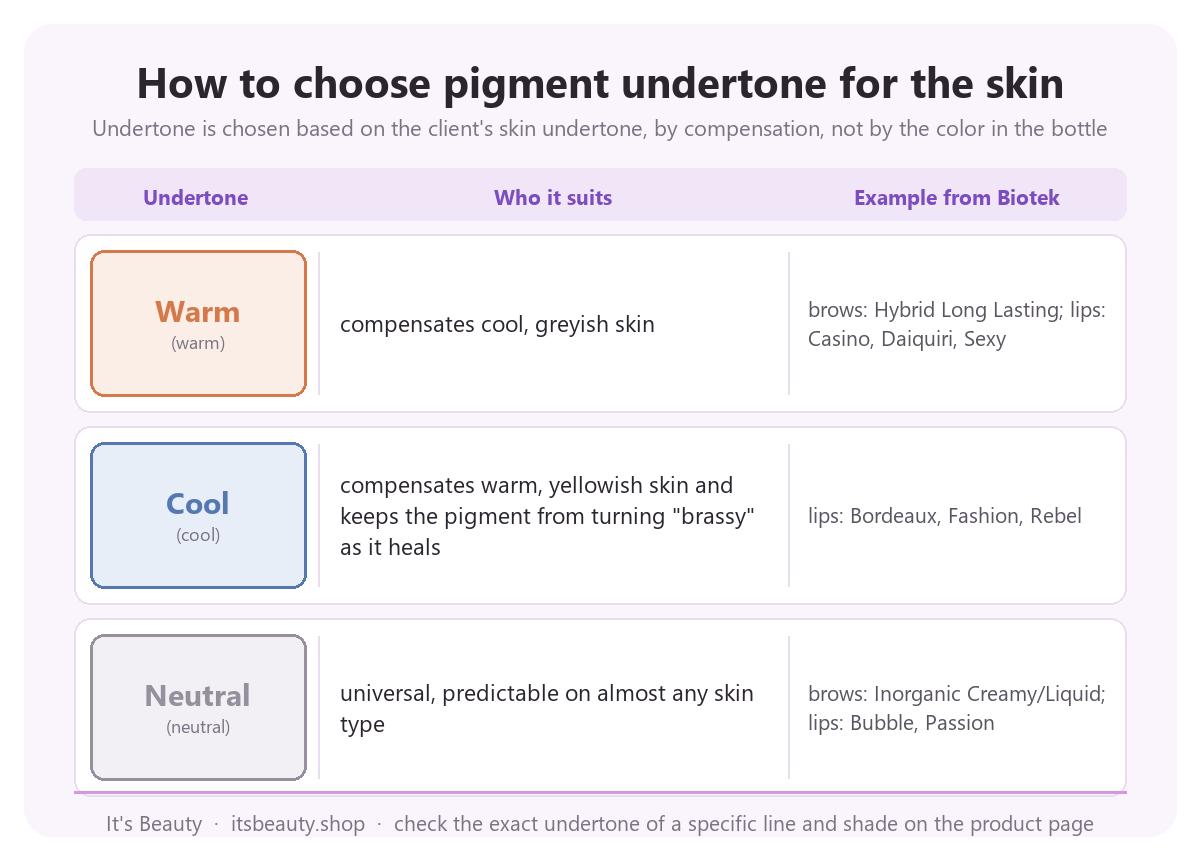
At Biotek, per the official website, the entire Hybrid Long Lasting brow line is marked warm, while Inorganic Creamy and Inorganic Liquid are neutral across the whole line. For lip shades, undertone is individual per color and listed on its own card. The brand's corporate site also classifies the classic line by skin phototype (Fitzpatrick scale) and advises compensating cool skin tones with warm pigment.
Pigments for brows, lips, and eyelids: how they differ by zone
For brows, lips, and eyelids, brands almost always run separate lines, because skin in these zones behaves differently while healing and holds color differently.
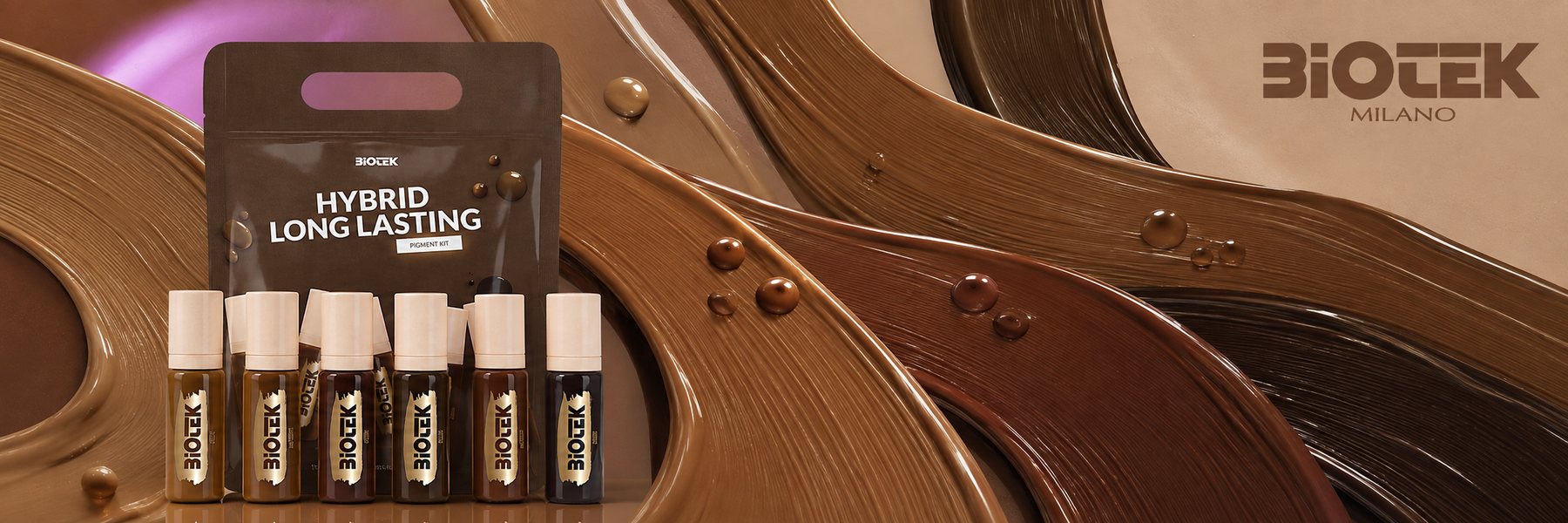

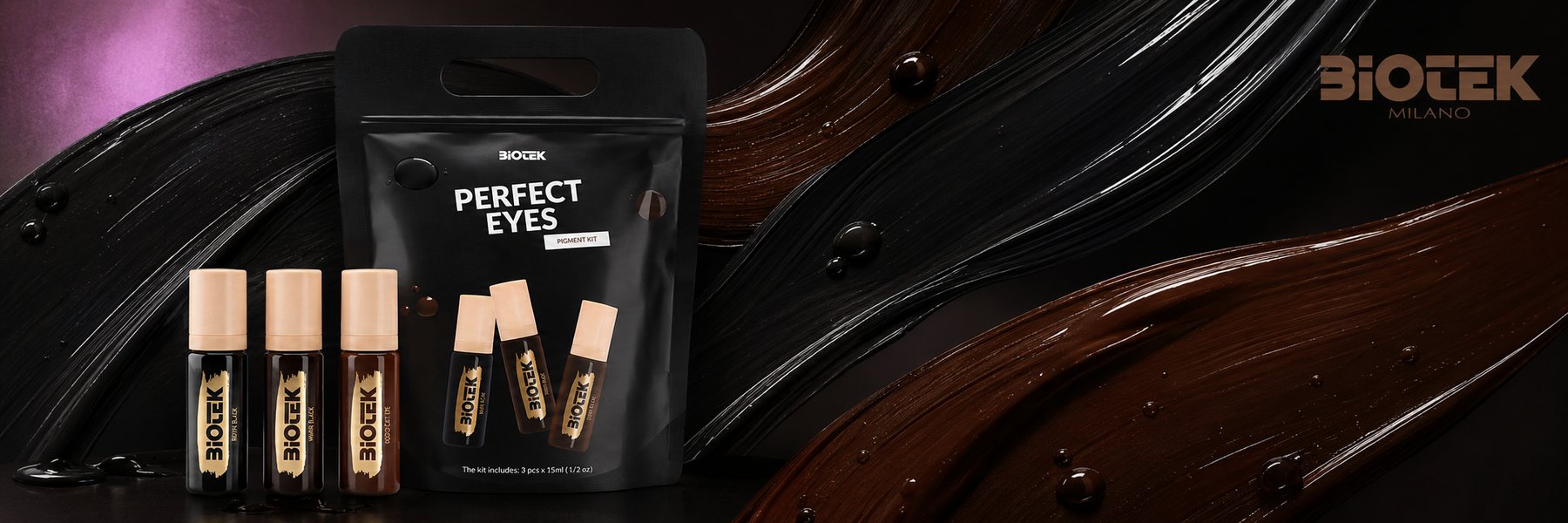
- Brows. At Biotek, that is the hybrid Hybrid Long Lasting line (warm, holds even on oily skin) and the inorganic Inorganic Creamy and Inorganic Liquid (neutral). At LIK, the numbered 701-703 pigments are positioned by resellers as self-sufficient composite formulas that do not need a separate corrector. At The Mineral, brows are covered by the Classic and Concentrate lines, both mineral.
- Lips. At Biotek, one zone spans a wide range of undertones, from the cool Bordeaux to the warm Casino. At LIK, the largest lip line in the It's Beauty catalog is a joint series with master V.Saftiuk. At The Mineral, lips are covered by the Bestseller, Lip Correctors, and Lip Minerals lines.
- Eyelids and lash line. Skin here is the thinnest, which is why The Mineral has a dedicated NAFTA line for this zone (Black, Dark, Light, Orange, 10 ml). At Biotek, eyelid pigments are part of the brand's overall professional range alongside dermopigmentation. At LIK, per reseller data, there is a separate hybrid line for eyelids.
Biotek, LIK, and The Mineral pigments: how the brands differ
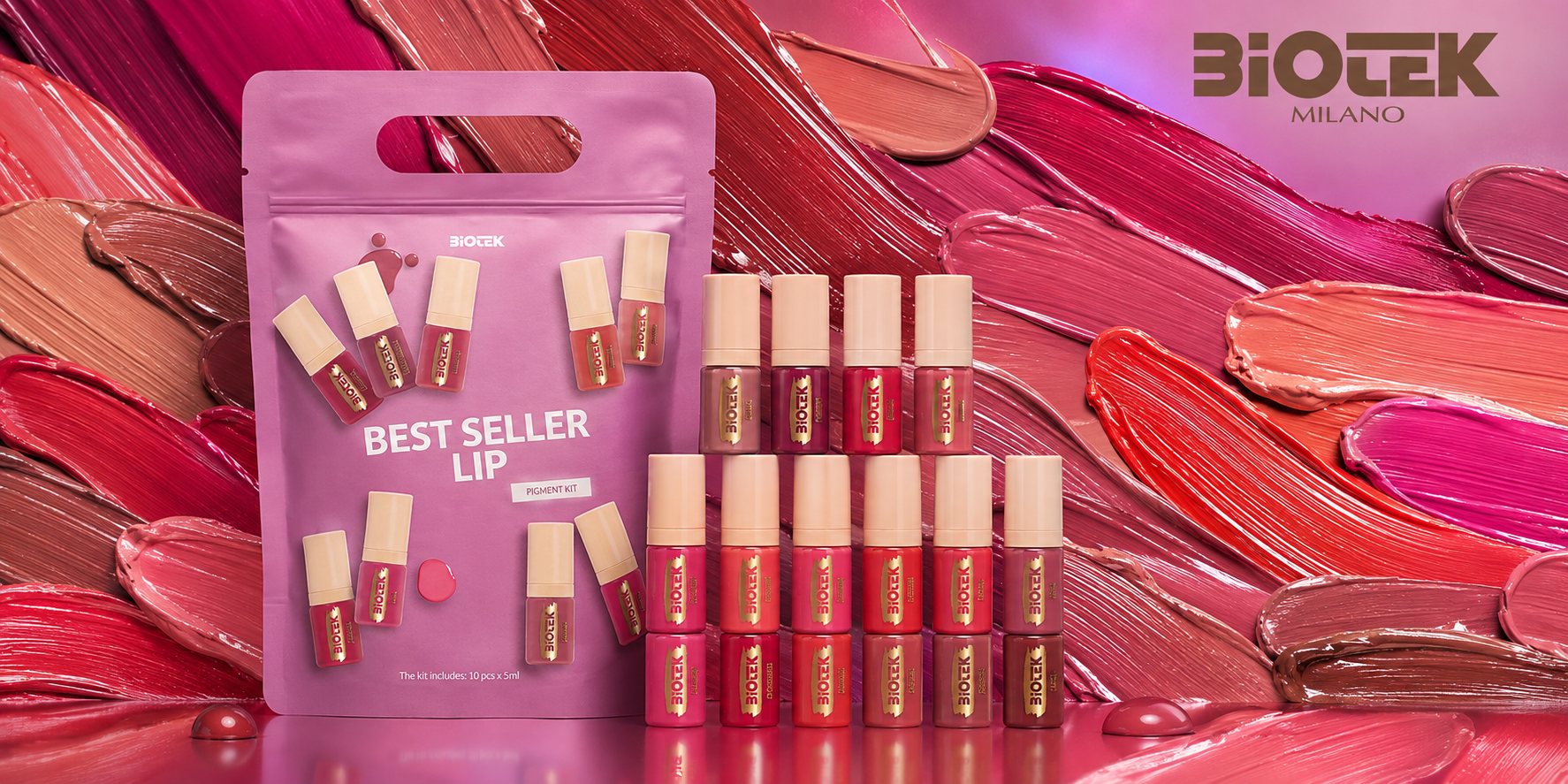


The three brands cover the same task differently. Biotek is an Italian manufacturer with a broad professional range for every zone. LIK is a Ukrainian brand focused on hybrid formulas and one of the biggest lip lines in the catalog. The Mineral is a Ukrainian brand with its own system of mineral and hybrid pigments and a dedicated eyelid line.
- Biotek (Italy, Milan). Production is ISO 9001 certified, the range covers brows, lips, eyelids, microblading, and dermopigmentation, including scalp trichopigmentation. The brand carries both mineral (Inorganic) and hybrid lines.
- LIK (Ukraine). The brand's official channel is Instagram, there is no separate classic website with formula descriptions. Per reseller wording, the brand is positioned around hybrid formulas, "combining the advantages of organic and mineral pigments." At It's Beauty, LIK has the widest lip range thanks to its collab line with V.Saftiuk.
- The Mineral (Ukraine). Its own online store, collections Classic, Concentrate, Hollywood (hybrid), NAFTA (eyelids), separate lip corrector lines. For its own palette, the brand recommends its own diluent, Thinner.
Besides the pigment itself, a permanent makeup procedure needs anesthesia. How to choose it for a specific zone and procedure is covered in which anesthetic to choose for the procedure, and application order, time under film, and common mistakes are covered in how to apply anesthetic.
Biotek, LIK, and The Mineral pigments in the catalog
At It's Beauty, pigments from all three brands are grouped by zone: brows, lips, eyelids. Pick the line that matches the formula and undertone your procedure needs.
Biotek Pigments LIK Pigments The Mineral PigmentsHow to check pigment composition and quality before buying
The full composition (INCI) of a pigment is almost never published on a brand's homepage, so it is checked on the label of the specific bottle or requested from the supplier, not taken from general marketing descriptions.
- Brand's official channel. Biotek and The Mineral have their own websites with collections, LIK's main official channel is Instagram, where new items and sometimes certificates are posted.
- Line name as a clue. Words in the series name (Inorganic, Hybrid, Concentrate, Classic) usually already indicate formula type and application zone.
- Undertone on the specific shade's card. Warm, cool, or neutral is listed for the individual color, not the whole line, if the line is mixed.
- Marketing claims without documentation. Phrases like "vegan," "titanium dioxide free," or "REACH certified" often appear at resellers but are not always confirmed word for word on the brand's official site. Such claims are worth double-checking against the label or the supplier before relying on them with a client.
Frequently asked questions
How does mineral pigment differ from organic?
What is a hybrid pigment for permanent makeup?
How do I tell if a pigment is warm or cool?
Do I need a thinner for the pigment?
Which pigment brand should I choose: Biotek, LIK, or The Mineral?
Is the full pigment composition listed on the packaging?
- Brand, line, and undertone data is based on the manufacturers' official websites (biotekmilano.com, themineral.com.ua) and the LIK brand's official channel (Instagram @lik_pigment), cross-checked against reseller materials. Always check the full composition, current palette, and undertone of a specific shade on the product page.
- This material is informational for permanent makeup technicians and does not replace a consultation with the brand's technologist.