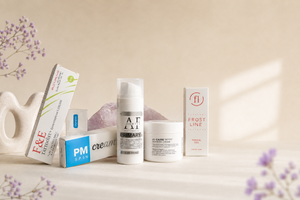
The short answer: the percentage in a numbing agent's name almost never equals the lidocaine content. Most often it is the sum of all the active ingredients, and in TKTX and similar brands the big number is just a series label. Below we explain how to read the real composition, and give a table of the compositions of popular products.
What the percentage on the tube really means
The number in the name can mean three different things. The confusion is exactly here, so let us lay it out clearly:
- The sum of the active ingredients. The most common case. "12,5%" is, for example, 6,5% lidocaine + 5% prilocaine + another 1% of another anesthetic. The lidocaine itself is about half of the stated number.
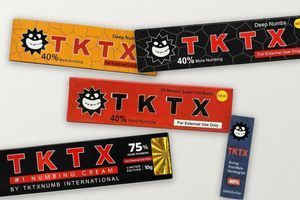
- The brand's series label. In TKTX, "40", "75", "99,9" are the name of the line, a strength tag, not the lidocaine percentage. The real composition is far more modest than the number.
- The real lidocaine percentage. This happens rarely, mostly in mono products with lidocaine alone. Then the number really is about the content, but such formulas are chosen deliberately.
Where "40%", "75%", "99,9%" come from
This is line marketing, not chemistry. The manufacturer names a series with a big number because it sells well, but the real concentration of active ingredients is several times lower. Relying on that number alone means overpaying for a figure.
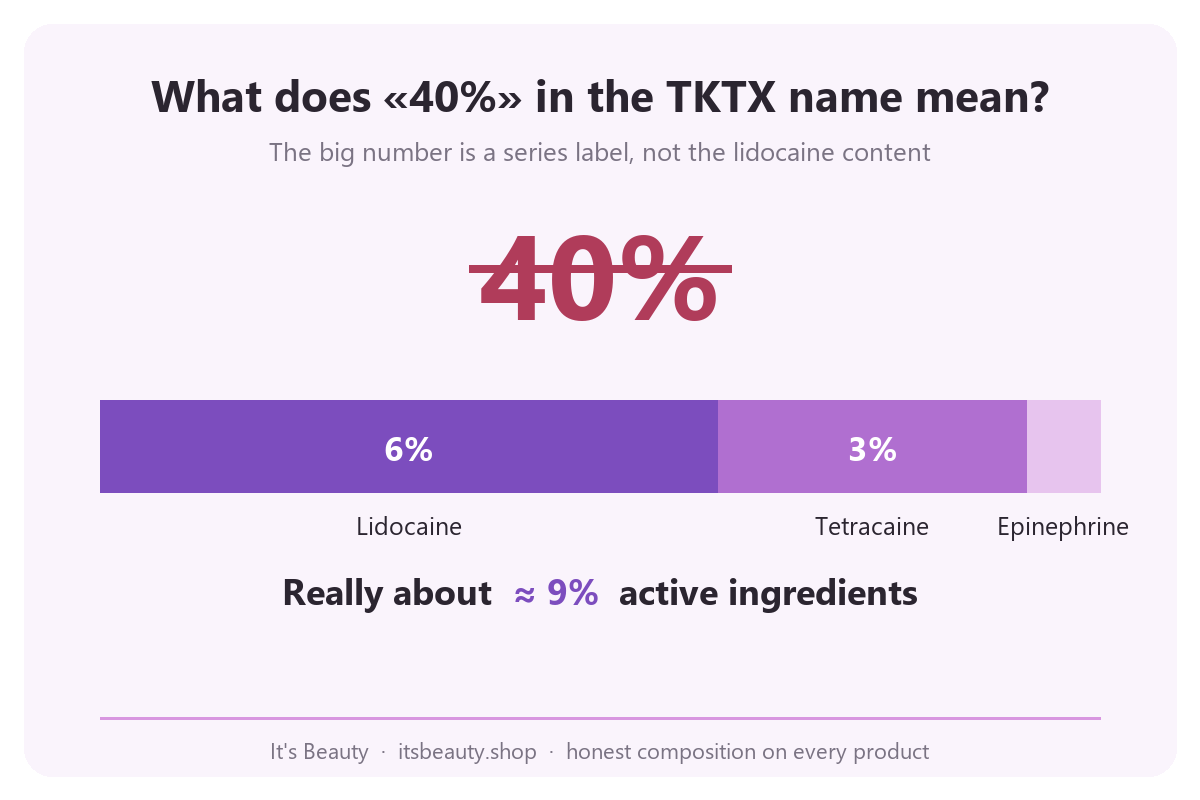
Table: the real compositions of popular products
Here is how the number in the name relates to the real composition according to manufacturers' documents and distributors' data. You can see that percentages that look identical mean completely different formulas:
| Product | "%" in the name | What is really in the composition | Type |
|---|---|---|---|
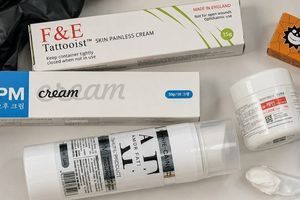
| PM Cream | 12% | 6,5% lidocaine + 5,5% prilocaine | primary |
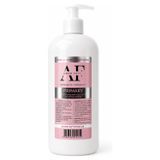
| Amor Fati White | 12,5% | 6,5% lidocaine + 5% prilocaine + 1% other | primary |
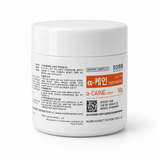
| A-CAINE | 10,95% | 5,95% lidocaine + 5% prilocaine | primary |
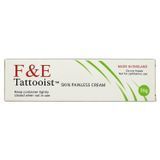
| F&E Tattooist | 10% | 6% lidocaine + 4% prilocaine | primary |
| Amor Fati Pink | 7,5% | 4% lidocaine + 2,5% prilocaine + 1% other | primary |
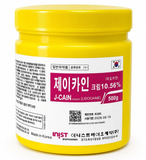
| J-CAINE | 10,95% | mono-lidocaine, about 10,5% | primary |
| TKTX Gel | 40% | 6% lidocaine + 3% tetracaine + 0,2% epinephrine (≈9%) | universal |
| TKTX Cream | 40 / 75 | series label, the manufacturer does not disclose the exact % | primary |
| Goosica | 99,9% | combined formula, "99,9" is a marketing tag | primary |
| Sustaine Blue | no number | 4% lidocaine + 2% tetracaine + epinephrine | secondary |
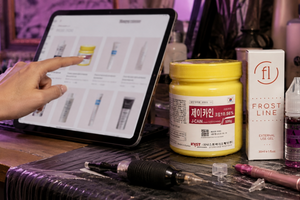
| Frost Line | no number | Anestomine complex, no lidocaine | primary |
| Amor Fati Lila | no number | 6% trioderm + epinephrine, no lidocaine | secondary |
Lidocaine, prilocaine, tetracaine, epinephrine: who does what
| Ingredient | Role in the formula |
|---|---|
| Lidocaine | the main anesthetic, quickly reduces sensitivity |
| Prilocaine | works in synergy with lidocaine, deepens and prolongs the effect |
| Tetracaine | a powerful anesthetic, often in secondary gels for broken skin |
| Benzocaine | a surface anesthetic, gives a gentle quick start |
| Epinephrine (adrenaline) | constricts the vessels: less swelling and bleeding, the effect lasts longer |

That is why two creams with the same total number act differently: what matters is not the overall percentage, but which exact ingredients, in what proportion, and whether there is epinephrine.
How to read the composition before buying
- Look for a breakdown by ingredients with percentages, not just the number in the name.
- A big number with no breakdown of the composition is almost always marketing.
- Check the type of product: primary (a cream under film before the procedure) or secondary (a gel on broken skin).
- Prefer a supplier who shows documents and laboratory reports.
How to match a product to your specific procedure and skin type is described in detail in our complete guide to choosing a numbing agent.
Look at the composition, not the number in the name
In the It's Beauty catalog, many items list an honest breakdown of the active ingredients and come with documents. Over 40 products in stock: primary, secondary, lidocaine-free.
Go to the numbing agents catalogFrequently asked questions
How much lidocaine is in TKTX "40%"?
What does 12,5% mean in a numbing agent?
Can you tell the strength of a numbing agent from the percentage?
Why do two creams with the same "%" act differently?
What lidocaine percentage is considered strong?
Where can you see a product's real composition?
- Compositions are given according to manufacturers' documents and data from official distributors (laboratory test reports, INCI). Where the manufacturer does not disclose the exact percentage, this is noted separately.
- The material is informational in nature and does not replace a consultation with a specialist. All products are for professional external use.