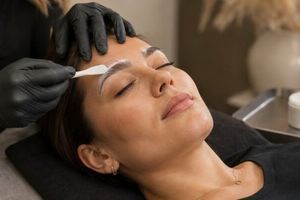
Healing after permanent makeup moves through several stages: right after the procedure the skin swells and turns red, thin scabs form on days 2-4, and the final shade shows through around 4-6 weeks later, once the top layer sheds and the pigment settles into the dermis. On brows, healing is usually shorter and more predictable. On lips, swelling in the first day or two is more noticeable because of the area's active blood supply. On eyelids, what matters most isn't speed but careful aftercare, since the skin there is thin and close to the mucous membrane. Below: timelines by zone, day-by-day care, what to apply and what to avoid until the scabs are gone. This is a general protocol, the exact recommendations for a specific procedure always come from the artist who performed it.
How long does permanent makeup take to heal
Permanent makeup heals on the surface in roughly one to one and a half weeks, and by color in 4-6 weeks, but the exact timeline depends on the zone, technique and the client's individual skin. These are approximate ranges, not a guarantee: every body heals at its own pace.
| Stage | What happens | Approximate timeline |
|---|---|---|
| Surface healing | scabs and flaking shed, skin visually evens out | 7-10 days |
| Full color development | pigment settles into the dermis, the final shade becomes visible | 4-6 weeks |
Timelines differ by zone: brows usually heal faster and more predictably because the skin there is denser. Lips take longer and swell more noticeably in the first 1-2 days due to the mucous membrane's active blood supply. Eyelids and the lash line heal quickly in terms of timing, but the skin there is the thinnest and closest to the eye's mucous membrane, so precision in every care step matters more than speed. The exact schedule for a specific client always comes from the artist who performed the procedure, based on skin type and the technique used.
Day-by-day care after permanent makeup: healing stages
Aftercare for permanent makeup changes as the skin moves from a fresh micro-injury to a formed scab and its natural shedding. It's more useful to think in stages than to fixate on exact calendar dates, since timing shifts slightly from client to client.
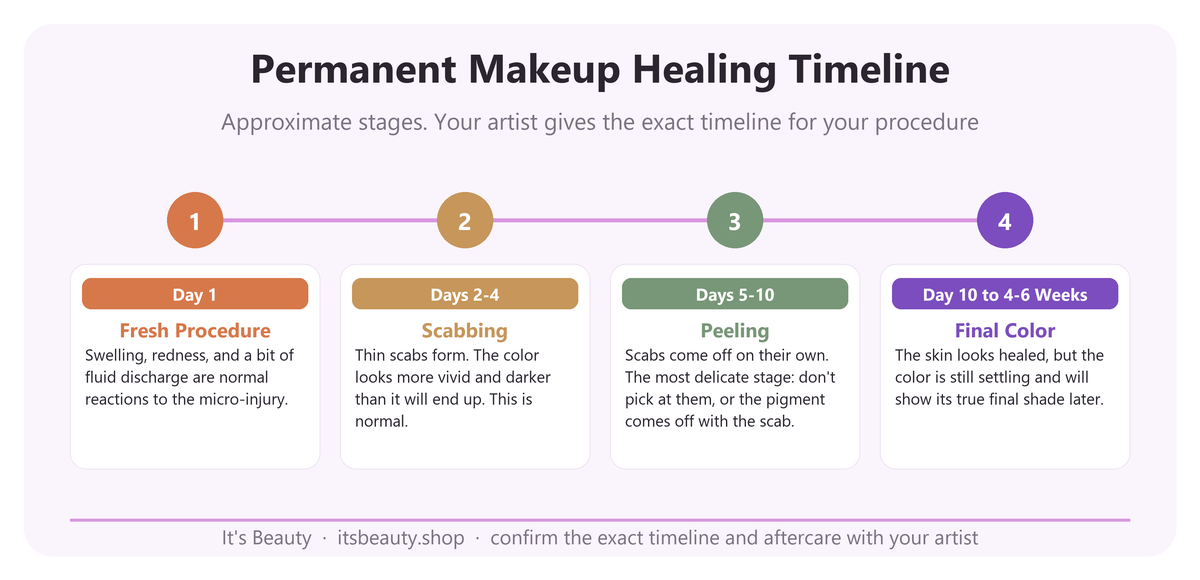
- First 24 hours. The skin swells, turns red, and may weep a little clear fluid, a normal reaction to a micro-injury. Treat the area following the artist's protocol and avoid touching it unnecessarily.
- Days 2-4. Thin scabs form, and the color looks brighter and darker during this period than it will after healing, that's normal too.
- Days 5-10. Scabs gradually shed on their own. This is the most vulnerable stage: don't pick them off, pigment can come away with the scab.
- After day 10 and up to 4-6 weeks. The skin looks healed on the surface, but the color is still "settling" into its final shade.
One rule applies at every stage: the less you interfere with the natural process, the more even the result. Confirm exact healing timelines for your skin with your artist, and check the application schedule for the healing product in the manufacturer's instructions (for example, Klever or The Mineral). The difference in care for brows, lips and eyelids is covered separately below.
What to apply during healing: cream, balm or film
Three types of products are used for permanent makeup aftercare: a healing cream applied in a thin layer, an intensive balm for dryness and tightness, and a protective film ("second skin") as a barrier in the first few days. Which one to use and in what order is set by the artist's protocol and the specific product's instructions.
| Product type | When it's used | Example in the catalog |
|---|---|---|
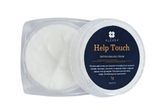
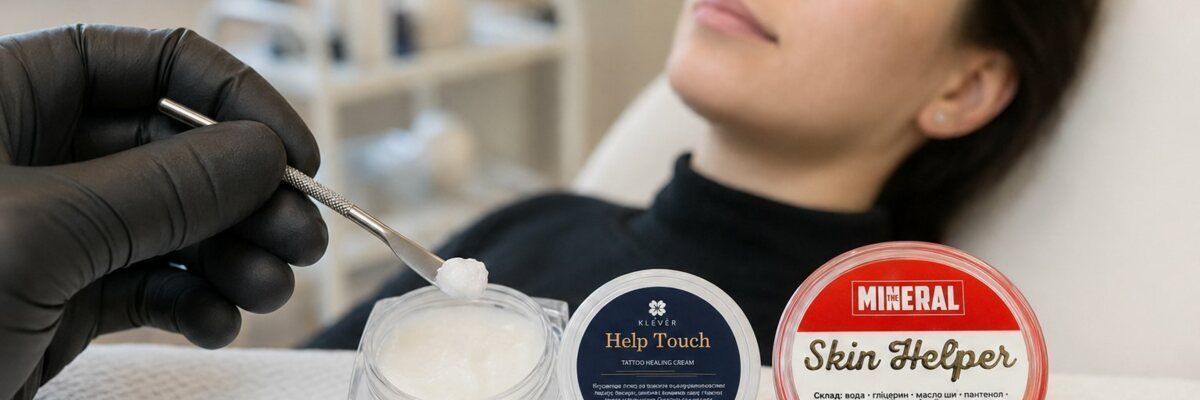
| Healing cream | thin layer, once the skin has scabbed, softens and protects | Klever Help Touch, 3 g, The Mineral Skin Helper, 3 g |
| Balm (intensive care) | when the skin feels tight or dry, needs richer moisturizing care | Lik Balm 13, 30 ml |
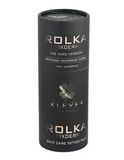
| Film ("second skin") | first days after the procedure, a barrier against water, bacteria and friction from clothing | Klever Fixderm Rolka Film, 15 cm × 10 m |
According to the manufacturer, Klever Help Touch cream has its own application schedule: for brows and eyelids, it's applied starting on the third day after the procedure, twice a day, morning and evening, though it's fine to start earlier if there's noticeable discomfort. On lips, the same cream can be applied from the next day, as soon as dryness is felt. One 3 g bottle, according to the manufacturer, is enough for roughly 3-4 procedures. The Mineral Skin Helper gives the exact same schedule for its cream: brows and eyelids from day three, twice a day; lips from the next day, as dryness appears. This is the schedule for a specific product, not a general rule for all creams, always check the manufacturer's instructions on the product page for the exact application order. The manufacturer doesn't set a fixed wear time for the protective film: Klever states directly that wear time depends on the type of film, the area it's applied to, and the artist's recommendations.
What not to do after tattooing and permanent makeup
In the first 7-10 days after permanent makeup, the main restrictions relate to water, sun and mechanical stress on the area, until the scab has shed naturally.
- Getting the area wet or steaming it. Direct contact with water (long face-washing, banya, sauna, pool, open water) softens the scab ahead of schedule in the first days.
- Picking or scratching scabs. Even if it itches, don't touch the scab, it needs to shed on its own.
- Sunbathing or tanning beds. UV exposure before healing and color stabilization are complete can lighten the pigment unevenly.
- Sports with heavy sweating. Sweat and friction from clothing or a mask irritate the fresh area in the first days.
- Applying makeup to the area. Mascara, lipstick or pencil shouldn't go over a permanent makeup zone until the skin has healed.
- Touching the area with unwashed hands. Any contact with the area should be with clean hands only, or the cotton pad the artist gave you.
Aftercare for brows, lips and eyelids: what's different
The general aftercare protocol for permanent makeup is the same across zones, but skin on the brows, lips and eyelids behaves differently, so the details vary.
- Brows. Skin here is denser than on the lips or eyelids, and healing is usually the most predictable of the three zones. The main rule for this area: don't touch the scabs, and apply the healing product in a thin layer, without "overfeeding" the skin with extra cream.
- Lips. This area has an active blood supply, so swelling is more noticeable in the first 1-2 days than on the brows. Skin here tends toward dryness and tightness during healing, so besides a cream, a richer moisturizing product like a balm is often appropriate. Spicy, salty and very hot food is usually limited in the first days to avoid irritating the area.
- Eyelids and the lash line. The thinnest skin on the face, right next to the eye's mucous membrane, so only a product made specifically for this zone should be used, not any body cream from the lineup. Apply a minimal amount, avoid contact with the mucous membrane, and don't rub the eyes.
Choosing anesthesia also differs across these same three zones: for lips, for example, epinephrine is essential because of the blood supply, while eyelids need a separate, gentle cream. Each zone is covered in detail in the article how to choose an anesthetic for permanent makeup. And if the healing result looks dull or uneven in color, the cause isn't always aftercare, sometimes it's the pigment itself: the difference between formulas and undertones is covered in the article how to choose a pigment for permanent makeup.
Healing products in the It's Beauty catalog
Creams, balms and protective films for permanent makeup aftercare are gathered in one category. Choose a product for your healing stage and zone.
All healing productsFrequently asked questions
How long do eyelids and the lash line take to heal after permanent makeup?
Why do brows heal unevenly or in patches?
Can permanent makeup get wet in the first few days?
What should I do about strong swelling or redness after tattooing?
Is a protective film needed in the first days after permanent makeup?
What's the difference between tattoo aftercare and permanent makeup aftercare?
- Product details are based on It's Beauty product pages. Always check the full ingredient list, instructions for use and current availability on the specific product page.
- Healing cream application schedules are based on the manufacturers' official websites: Klever (Help Touch) and The Mineral (Skin Helper).
- This material describes a commonly accepted permanent makeup aftercare protocol, is intended as information for PMU artists, and does not replace a consultation with the artist who performed the procedure or with a doctor.